What Is a Cervicogenic Headache?
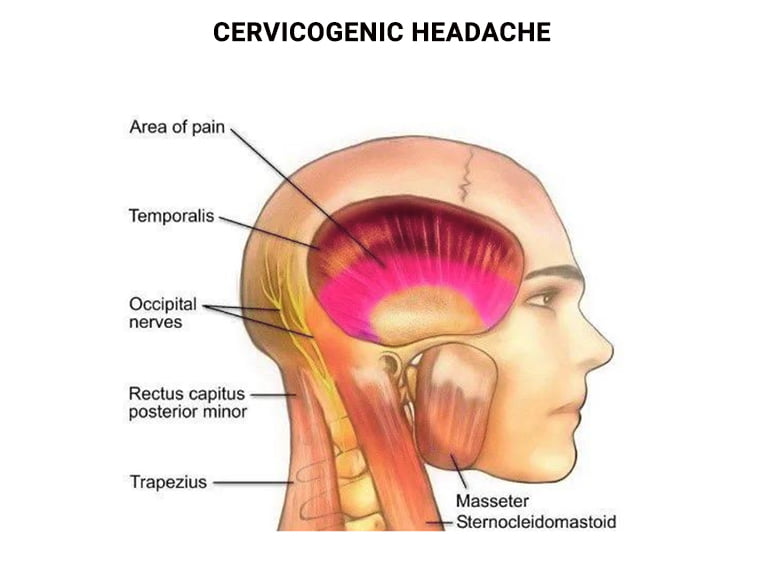
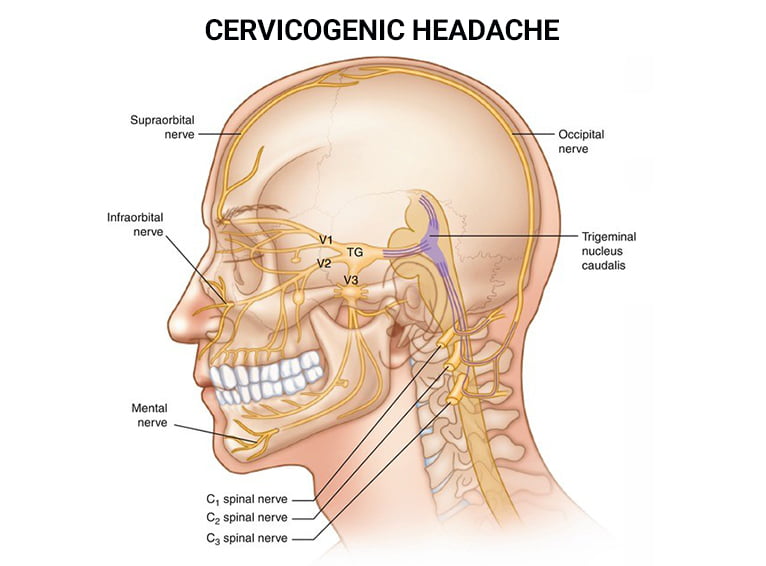
A cervicogenic headache stems from the pain that originates in your neck. From there, it radiates towards the front of your head. A cervicogenic headache falls in the category of secondary headaches, which means it’s caused by another illness or physical issue, unlike primary headaches such as migraines.
Other headaches can cause neck pain or tension headaches, but a pain management specialist understands the different types of headaches and the need to correct your diagnosis. Cervicogenic headaches affect the quality of your life due to the debilitating pain and other symptoms. For this reason, you require a careful diagnosis before starting early and appropriate treatment.
At the Advanced Headache Center, with offices in Manhattan and Bergen County, New Jersey, Dr. Amr Hosny uses advanced diagnostics and migraine treatment techniques. A Harvard-trained headache specialist treats headaches and migraines with such modalities as occipital nerve blocks injection.
How Can I Tell if I Have a Cervicogenic Headache?
Some CGH symptoms may also be associated with another headache disorder. However, it can also cause other symptoms that can affect your vision, mobility, and sensation.
Here are other ways to know that you have cervicogenic headaches:
- Pain that spreads from the neck to one side of the head
- Pain that worsens whenever you try to move or rotate your neck
- Radiating pain at the scalp, forehead, behind the eyes, and temples
- Intense shoulder and arm pain
- Blurred vision
- Increased sensitivity to light and sound
- Nausea
- Vomiting
- Dizziness
Your treatment starts with the correct diagnosis. To avoid a misdiagnosis and guarantee effective cervicogenic headache treatment, consult Dr. Hosny. He’s a board-certified headache specialist who relies on an integrative, multidisciplinary approach to headache treatment.
Studies show that this head pain is prevalent among men and women who are 30 to 44 years old.
6 Spinal Disorders That Can Cause Cervicogenic Headaches
When diagnosing cervicogenic headaches, doctors typically assess your spine health to determine if there are underlying problems that may be causing the chronic pain. Here are some of the possible spinal disorders that can lead to neck and head pain:
1) Whiplash Injury
This is a type of neck injury that occurs due to the rapid jerking movement of the neck muscles. You’ll likely acquire this after a car accident or due to incurring a strong blow to the head from a heavy object. The sudden motion causes the soft tissue and ligament of the neck to stretch and tear which can lead to excruciating headaches accompanied by neck stiffness, shoulder pain, and limited range of motion.
2)Slipped Discs
This condition happens when one of the discs in your vertebra becomes torn or damaged and slips out from its position in your spine. A slipped disc can happen after twisting or moving a heavy object which puts extreme stress on your cervical spine. Doing any physically demanding job or sports activity may also increase your risk for developing slipped discs.
3) Disc Degeneration
Neck pain and headache may also stem from cervical disc degeneration. This pertains to the natural wear and tear that occurs as you get older. With cervical degenerative disc disease, the discs lose their strength and structure which makes them unable to support your spine and leads to pain that can be felt at the neck, lower back, shoulders, and sometimes the head.
4) Pinched Nerves
Your headache may also be caused by cervical radiculopathy or pinched nerves in the upper cervical spine. This mostly happens due to compression or inflammation of a cervical nerve that results from a herniated disc or degenerative changes in your spine. When one of the nerves in your neck is affected, it can also cause pain in your arms, shoulders, and head.
5) Cervical Bone Spurs
Some cases of cervicogenic headaches also develop from having unusual growths on the bones of your cervical spine. This condition is also known as cervical osteophytes. Although most bone spurs don’t show symptoms, they can cause pain when it starts to compress the nerve endings in your cervical spine.
6) Osteoarthritis of the Cervical Spine
This condition refers to the natural changes in the joints, bones, discs, and ligaments of the cervical spine due to aging. Also known as cervical spondylosis, this spinal disorder can happen due to the breakdown of the discs and loss of flexibility of the joints that come with old age. Aside from headaches, this can also cause neck stiffness, weakness, and reduced range of motion.
Other Possible Triggers of Cervicogenic Headaches
The cervical spine naturally degenerates with age and becomes more prone to fractures and sprains, which is why older adults are more likely to experience chronic cervicogenic headaches. However, there are also other risk factors that may trigger neck and head pain among the younger population. Here are other common triggers of cervicogenic headaches:
1) Poor Posture
One of the leading causes of neck muscle strain is bad posture which can irritate the nerves in your cervical spine and compromise your spinal alignment. If you’re prone to doing excessive forward head position or protruding chin posture, you’re more likely to experience daily neck pain and headaches. That’s why you should constantly be mindful of your posture whenever you’re working in front of a computer.
2) Awkward Sleeping Position
Observing proper posture whenever you’re sleeping is as important as avoiding slouching during the day. Uncomfortable or awkward sleeping positions can develop neck pain, soreness, and stiffness in the morning.
One example is falling asleep on the couch without proper cushioning or support to your neck and head. This can lead to compressed spinal nerves which can worsen headaches and neck pain as soon as you wake up. Sleeping with your head drifting to one side or positioned too far in the front can also cause neck pain and stiffness.
3) Occupational Hazards
Cervicogenic headaches can also be a risk that comes with your profession. Some occupations that are likely to experience neck and head pain are hair stylists, drivers, construction workers, carpenters, and plumbers because of their working posture. Athletes who are exposed to strenuous activities and heavy lifting can also experience cervicogenic pain.
Dr. Hosny is an excellent headache doctor. He listens, he educates, and he treats effectively. His staff is also helpful and friendly. He gave me different instructions on how to get my medication in time, and reassured me that everything will be okay. I really appreciate how thorough and considerate they are. Dr. Hosny is excellent at treating migraines.
Cervicogenic Headache vs. Other Headache Disorders: What’s the Difference?
Some of the symptoms of cervicogenic head pain may also be associated with another headache disorder. It’s important to know what type of headache you have to determine how you’ll treat your condition.
Here’s a table comparing cervicogenic pain from other kinds of headaches:
| Cervicogenic headache | Migraine headache | Tension headache | Cluster headache | |
| Main signs and symptoms | Pain at the head and neck and sometimes extending to the arms and between the shoulders Neck stiffness Reduced neck motion and flexibility | Severe headache or throbbing pain on one side of the head Nausea and vomiting Visual disturbances Increased sensitivity to light Can be acute or recurrent | Dull, aching pain across the head Feeling of tightness or intense pressure on one or both sides of the head | Intense headache with eye pain Sensitivity to light Swollen or drooping eyes Restlessness Eye redness |
| Causes | Originates from a problem in the cervical spine | Its exact cause is unclear but doctors suggest that it has to do with chemical activity that affects your blood vessels in the brain Can be triggered by hormone changes, stress, loud sounds, and bright lights | Usually occurs when the neck or head muscles contract or become too tense | It’s also unclear why cluster headaches happen but it’s thought to originate from the activity in the hypothalamus and trigeminal nerve |
| Outlook | Mild cases of cervicogenic headaches may resolve on its own, but some may require appropriate treatment that address the spinal problem | Can be easily managed with headache medications | A tension type headache can last for several minutes and go away on their own Painkillers can help provide relief from sudden tension headaches | They can go away on its own or with help of medications but may recur anytime without warning |
What’s the Best Cervicogenic Headache Treatment in Midtown & Manhattan?
After a thorough diagnosis, your doctor creates an individualized treatment plan for you. Dr. Hosny usually starts with the least invasive techniques first, depending on the severity of your condition.
Cervicogenic headache treatment options include:
- Prescription or over-the-counter medications for pain relief, including non-steroidal anti-inflammatories (NSAIDs), antidepressants, and muscle relaxers
- Physical therapy
- Transcutaneous electrical nerve stimulation (TENS)
- Radiofrequency ablation
- Trigger points injections
- An occipital nerve block
- Chiropractic care
Severe cases may require minimally invasive surgical techniques. Still, most often, a cervicogenic headache, without other debilitating symptoms, indicates a milder issue that responds well to the cervicogenic headache treatments listed above. For an accurate diagnosis, the first step toward treatment, contact Dr. Hosny and his team at the Advanced Headache Center nearest you. They have eight offices between Midtown Manhattan and Paramus, NJ.

Dr. Hosny is an Ivy League Trained, UCNS-accredited, board-certified headache specialist who offers the latest preventive and abortive treatments to provide safe and effective head pain relief. As an active member of prominent organizations and professional societies that advance headache science, education, and management, such as the National Headache Foundation, Dr. Hosny specializes in diagnosing and treating a wide range of head pain disorders, including tension headaches, migraines, and cluster headaches, to name a few.
Dr. Hosny's reputation for enhancing headache care quality through the use of the most effective and technologically advanced treatment options for persistent primary and secondary chronic headaches has been acknowledged by Castle Connolly and Healthgrades, where he has received over 200 positive reviews. Dr. Hosny is also recognized as a distinguished New York City physician and headache specialist by New York Magazine.
More about Dr. HosnyNew York, NY 10003
(646) 763-2222