What Is a Sinus Headache?
The sinuses are hollow spaces in the bones of your face behind your nose, forehead, and cheeks. They produce mucus, which filters the air you breathe and traps harmful pollen, bacteria, and dust. However, if the drainage system becomes blocked, you may experience pressure and pain around your face, eyes, and cheeks. That pressure is a sign of a sinus headache.
General practitioners often mistake sinus headaches for other types of headaches, such as:
Dr. Amr Hosny and the headache specialists at the Advanced Headache Center in New York City and northern New Jersey use a multimodal approach to diagnose and treat headaches near you. They rely on their expertise and the latest technology to accurately determine what’s going on and find the best treatment for your headache pain. They work with you to design a treatment plan suited specifically to your needs.
What Are Symptoms of a Sinus Headache?
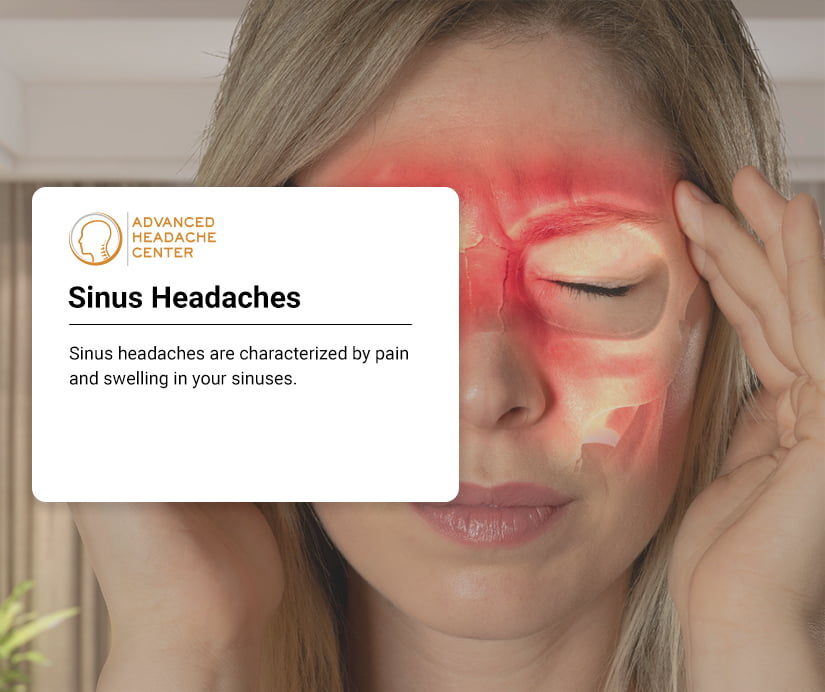
Sinus headaches are characterized by pain and swelling in your sinuses. A cold, allergies can trigger the swelling of nasal passages or an infection called sinusitis.
When your sinuses become inflamed, drainage of mucus becomes difficult, leading to the symptoms of sinusitis, which may include:
- Stuffy or runny nose
- Pressure or pain in your forehead or cheeks
- Facial swelling
- Watery eyes
- Body aches
If you have a sinus headache, you may find that the pain worsens if you change positions, particularly when you lie down or lean forward. It may also be more uncomfortable first thing in the morning because the fluid in your sinuses could not drain during the night. If you have a bacterial or viral infection, you may have an accompanying fever.
Causes and Triggers of Sinus Headaches
Sinus infections are the main cause of sinus headaches.
Anything that causes mucus buildup in the sinus cavity may lead to sinus infections and frequent sinus headaches, such as:
- Common cold caused by a viral infection
- Seasonal allergy, rhinosinusitis, and allergic rhinitis that trigger mucus production
- Nasal polyps or abnormal growths in the nasal passage that results in a clogged sinus
- Deviated septum or when the line of bone and cartilage along the nose isn’t straight, preventing mucus from properly draining
Mucus buildup encourages the growth of germs in the nose, which irritates the sinuses. This causes the tissues to swell and block the passage of mucus. When the sinuses are filled with mucus and liquid, it makes the face feel achy and tender.
What’s the Difference Between a Sinus Headache and a Migraine?
It’s not always easy to determine what type of headache you have. Migraine aches often cause several of the same symptoms as sinus headaches. Both types of headaches may cause facial pain and pressure, and both may cause headache pain that worsens with activity. Like sinus headaches, migraines sometimes cause a stuffy nose or watery eyes. Headache specialists at your nearest Advanced Headache Center know the signs that likely indicate a sinus headache.
Those signs include:
- Thick, colored nasal discharge
- A fever
- A diminished sense of smell
If you have a sinus headache, your headache should clear up about seven days after treatment with an antibiotic or after your viral symptoms improve. If you continue to have pain or if you’re experiencing sensitivity to light, nausea, and vomiting, you may have a migraine rather than a sinus headache. Report all your symptoms to your doctor to ensure the best sinus headaches treatment.
How Sinus Headaches Are Diagnosed
Many people diagnose sinus headaches by themselves when they have symptoms of sinusitis, but most of the time, they actually have migraine flare ups. It’s crucial to consult a medical professional immediately to determine the true cause of the headache and receive the appropriate sinus headache treatment.
To diagnose a sinus headache, the healthcare provider asks about the patient’s symptoms and performs a physical examination. If the symptoms are ongoing or severe, the patient might need imaging tests, such as an MRI, to rule out serious brain conditions and other similar health concerns. Other imaging tests may also reveal sinus congestion, like X-rays, CT scans, and nasal endoscopy.
What’s the Best Sinus Headaches Treatment in Manhattan & Midtown?
The most effective sinus headaches treatment depends on the underlying cause. Many different types of home remedies can help to relieve sinus pressure and pain.
Once Dr. Hosny determines the exact cause of your sinus headache and eliminates migraine causes and triggers, he may advise you to try solutions that include:
- Antihistamines
- Decongestants
- Nasal irrigation
- A warm compress on your face
- Inhaling steam
- Drinking a lot of water to help keep your mucus loose and thin
Antihistamines and decongestants can work together to break up excess mucus in your sinuses, while non-steroidal anti-inflammatory drugs (NSAIDs), such as ibuprofen, reduce the inflammation and your discomfort. If your sinus headache is triggered by allergies, giving you an allergy headache, antihistamines can help block excess fluid production and decrease swelling. If you have sinusitis caused by bacteria, your headache doctor may prescribe an effective antibiotic.
If you are experiencing a nyc sinus headache, it’s important to get an accurate diagnosis to ensure you’re treating the correct condition rather than a migraine flare-up.
If you have any type of headache, I would definitely suggest contacting Dr. Hosny. If you are suffering from headaches on a regular basis, please make this your #1 Consultation. After my consultation and exam with prescriptions, Dr. Hosny saved my life and has taught me much to heal my headaches through exercise, diet, and lifestyle changes. If there was a way to recommend more than 5 stars, I would! Thank you Dr. Hosny and Advanced Headache Center!
Are Sinus Headaches Preventable?
Yes, it’s possible to prevent the occurrence and severity of sinus headaches by treating the root cause – whether it’s because of chronic sinusitis, deviated septum, or allergic rhinitis. Most patients take preventive medications to reduce their symptoms, but some lifestyle changes can also help prevent severe sinus headaches.
- Exercising regularly: Regular aerobic exercises help prevent headaches by reducing tension in their bodies. If the doctor recommends it, try any aerobic exercise you find enjoyable like cycling, swimming, and walking. Just make sure to warm up properly because sudden and intense exercises may trigger headaches.
- Avoiding triggers: Some odors and foods may trigger headaches, so make sure to avoid something if it has already caused headache symptoms for you before. Doctors may also recommend reducing your tobacco, alcohol, or caffeine intake.
- Reducing estrogen intake: Medications that contain estrogen may trigger or make headaches worse, so it’s best to avoid them if they affect your symptoms. Always remember only to take the right dosage for you as directed by a healthcare provider to avoid estrogen-induced headaches.
Alternate Treatment Options for Sinus Headache Relief
The doctor might recommend these alternative treatment options and remedies for relieving sinus headaches at home.
They include:
- Moistening the sinuses with a saltwater mix to relieve irritation and inflammation caused by a lack of humidity
- Taking hot showers to penetrate the sinuses
- Drink hot beverages like tea or eating hot soup to keep the nasal passage and sinuses rehydrated
- Taking in plenty of fluids
- Increasing humidity in your home or office
- Applying a warm compress to painful areas of the face
- Using a decongestant to reduce sinus swelling and allow mucus to drain
- Trying a saline nasal spray or drops to thin and drain the mucus
- Using a vaporizer or inhaling steam from a pan of boiled water
- Using warm, moist air to relieve sinus congestion
- Avoiding dry air coming from air conditioners or heaters
- Adding some spice to your diet to loosen up the sinuses and drain them
If you experience frequent sinus headaches and treatments, do not seem to work, consult a headache specialist. Fever, pain, swelling of your face or eye, and redness around the eyes or cheeks accompanied by severe headache should not be taken lightly. Schedule an appointment with an expert medical practitioner to know more about managing these headaches.
When Should I See a Doctor for Sinus Headaches Treatment?
Sinus headaches that don’t respond to antibiotics or over-the-counter decongestants and antihistamines may be a type of migraine. If you have recurrent sinus headaches causing chronic facial pain, your headaches may require further evaluation and treatment by a specialized medical provider like Dr. Hosny. Continuing to self-medicate without guidance from an expert may lead to further complications such as rebound headaches or medication overuse headaches.
Patients searching for sinus headache treatment Manhattan should seek a specialist evaluation if symptoms persist, worsen, or frequently return.
Dr. Hosny is a highly skilled New York City physician who‘s committed to helping you find relief from all kinds of headache pain. Once he has carefully evaluated your symptoms and triggers, he and his team determine the best way to relieve your headaches. If you’re experiencing recurring headaches and don’t know the cause, contact the nearest Advanced Headache Center. Stop the pain and avoid future headaches, all at one medical practice.

Dr. Hosny is an Ivy League Trained, UCNS-accredited, board-certified headache specialist who offers the latest preventive and abortive treatments to provide safe and effective head pain relief. As an active member of prominent organizations and professional societies that advance headache science, education, and management, such as the National Headache Foundation, Dr. Hosny specializes in diagnosing and treating a wide range of head pain disorders, including tension headaches, migraines, and cluster headaches, to name a few.
Dr. Hosny's reputation for enhancing headache care quality through the use of the most effective and technologically advanced treatment options for persistent primary and secondary chronic headaches has been acknowledged by Castle Connolly and Healthgrades, where he has received over 200 positive reviews. Dr. Hosny is also recognized as a distinguished New York City physician and headache specialist by New York Magazine.
More about Dr. HosnyNew York, NY 10003
(646) 763-2222